
 01
ASSEMBLY
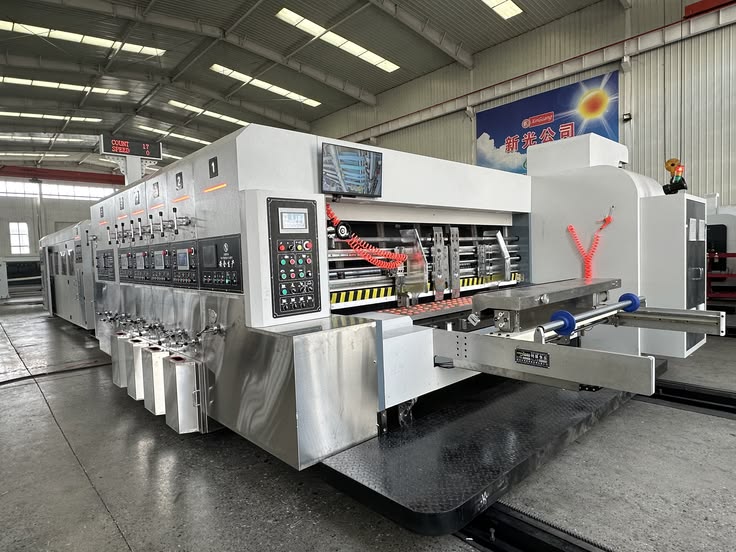
Assembly Machine
Supports controlled positioning and fit-up during component assembly. The required setup depends on member geometry, connection details and the approved fabrication information.
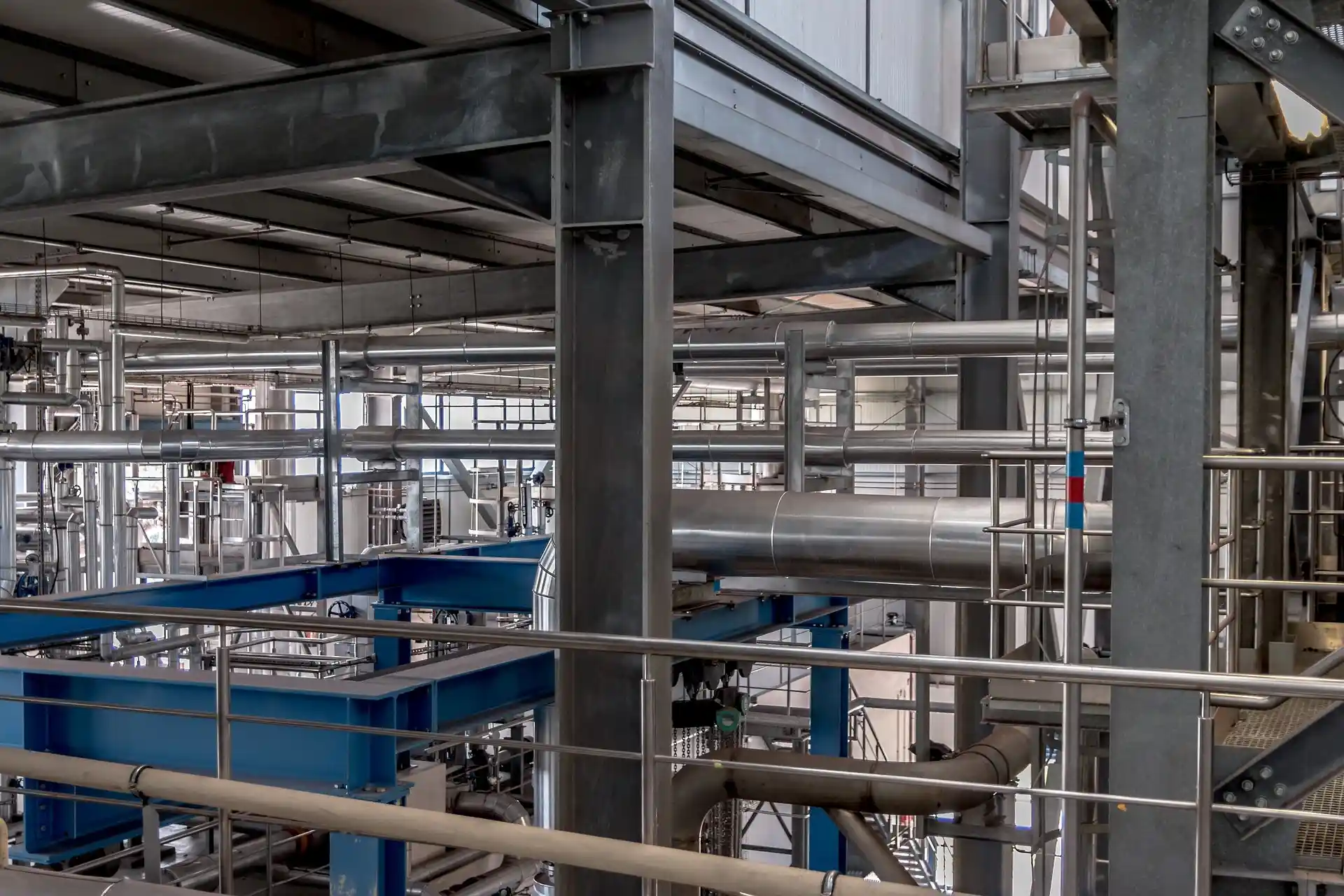
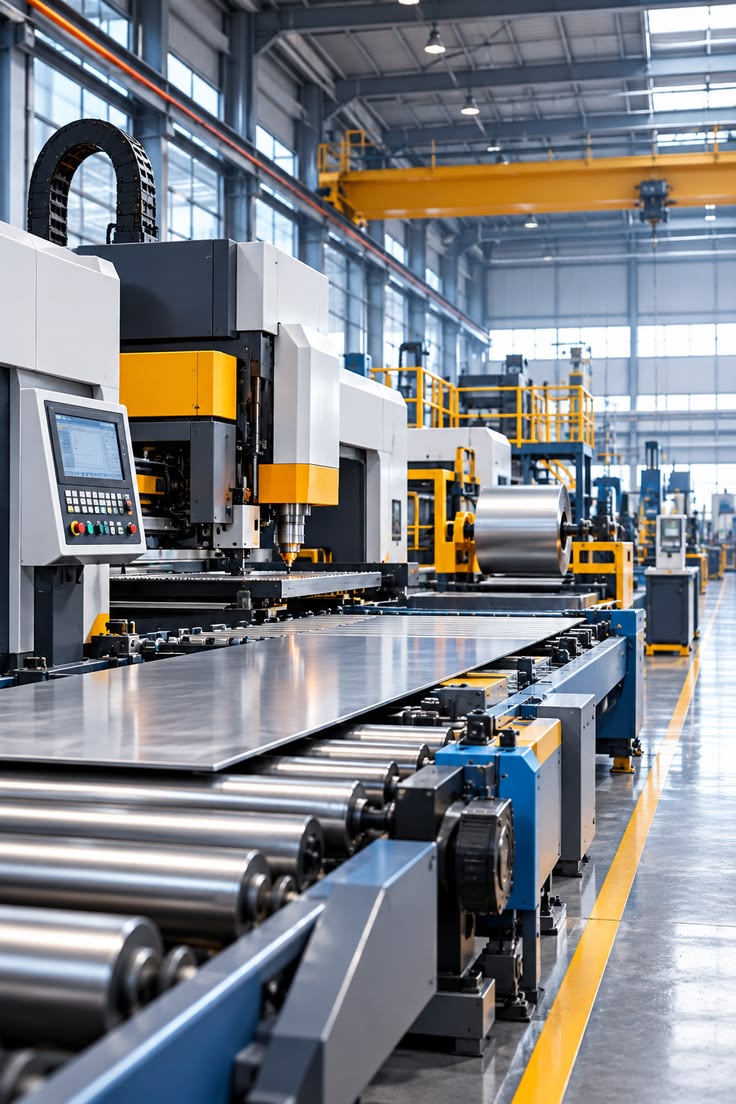
A visual overview of selected machinery used to support forming, assembly and building-envelope production. Equipment suitability is reviewed against the drawings, materials and quality requirements of each project.
Equipment is one part of a controlled manufacturing process. The selected route also depends on approved drawings, material specifications, component geometry, tolerances, inspection points and delivery sequencing.
Four examples of machinery supporting structural and envelope component production.
01ASSEMBLY
Supports controlled positioning and fit-up during component assembly. The required setup depends on member geometry, connection details and the approved fabrication information.
 02
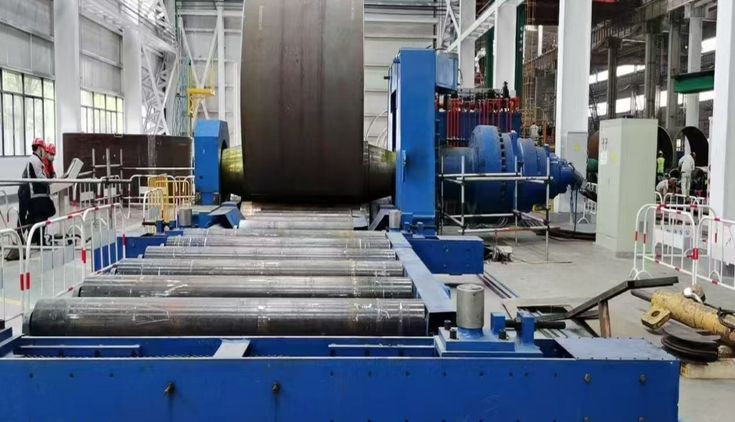
PLATE FORMING
Forms plate for curved or cylindrical components where the project geometry requires it. Material, thickness, radius and acceptance criteria must be confirmed for the specific scope.
 03
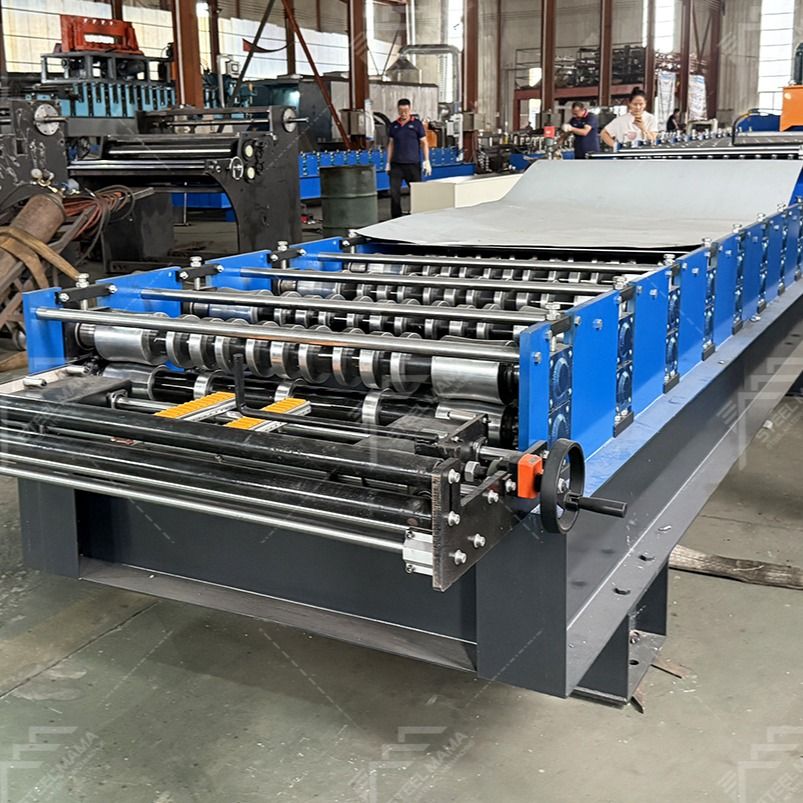
ROOFING PROFILES
Produces profiled metal sheets for roof and wall applications. Profile selection, sheet material, coating and interface details are coordinated with the building-envelope requirements.
04INSULATED PANELS
Supports continuous production of insulated panel assemblies. Panel build-up, facing material, core requirements and joint geometry need to match the project specification.
Confirm current drawings, specifications and open technical questions.
Select the production sequence around geometry, materials and access.
Check defined dimensions and quality points before downstream work.
Connect completed components with identification and packing information.
Machine names alone do not define project capability. A meaningful review starts with the component range and the information needed to produce and inspect it.
Send the project location, intended use, component information and available drawings for an initial scope discussion.