
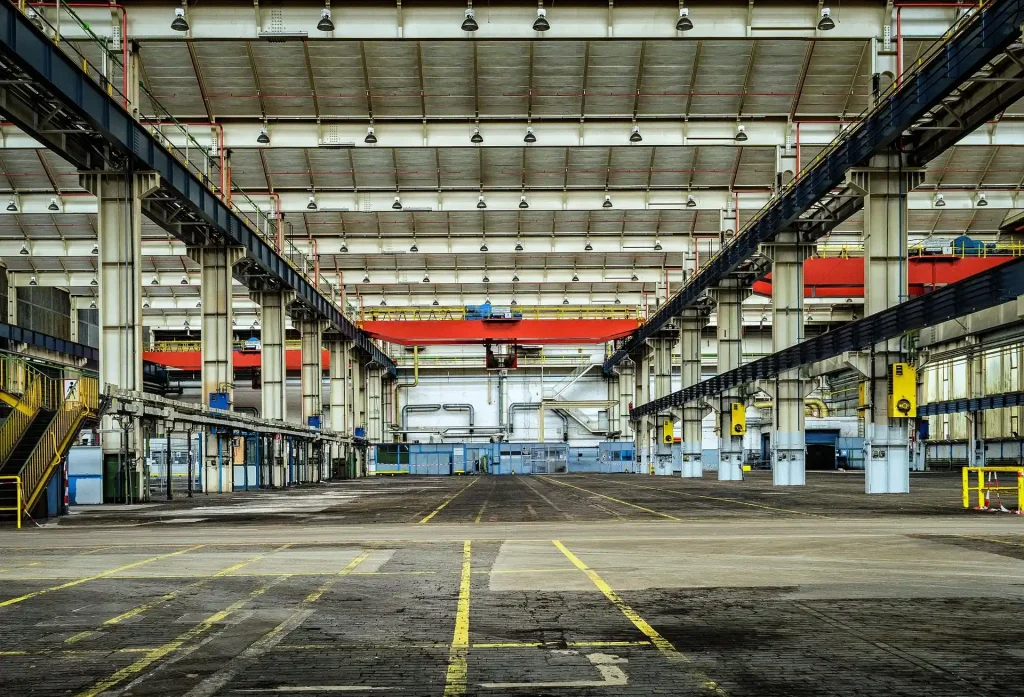
A useful steel warehouse quotation begins with more than length, width and height. Suppliers need a consistent project brief so that structural scope, envelope performance, logistics and documentation are compared on the same basis.
1. Project context
- Project location and site access.
- Intended use, stored products and operating conditions.
- Applicable codes, authority requirements and design responsibility.
- Target programme and procurement route.
2. Geometry and operations
- Overall dimensions, clear height and preferred bay arrangement.
- Column-free zones, racking aisles and future expansion.
- Door, dock, canopy and personnel-access locations.
- Mezzanines, offices, platforms or equipment zones.
State whether dimensions are external, grid-based or clear internal requirements. Large openings and clear zones can materially affect the structural concept.
3. Design inputs
- Available survey and geotechnical information.
- Environmental actions required by the project location.
- Roof, wall, floor, equipment and suspended-service loads.
- Solar panels, cranes, conveyors or future allowances.
- Fire, corrosion and durability requirements.
Do not ask suppliers to guess missing loads. Record assumptions and identify which party will confirm them.
4. Envelope and building performance
- Roof and wall system, insulation and condensation strategy.
- Drainage, gutters, downpipes and penetrations.
- Daylighting, ventilation and smoke-control interfaces.
- Air, water, thermal and acoustic requirements where applicable.
5. Supply and delivery scope
- Engineering, detailing, fabrication and inspection deliverables.
- Primary and secondary steel, cladding, fasteners and accessories.
- Coating or galvanizing scope.
- Packaging, marking, shipping terms and destination.
- Erection support, supervision or excluded site work.
6. Documents to request
- Design basis and assumption schedule.
- General arrangement and approval drawings.
- Material, welding, bolting, coating and inspection records.
- Packing lists and component marking system.
- As-built and handover information.
Make quotations comparable
Issue the same brief to every bidder and ask each one to list inclusions, exclusions, deviations and unresolved inputs. Separate the base price from options and provisional items. A low price based on unrecorded assumptions is not a reliable comparison.
Start with Steel Span Lab’s steel warehouse overview or send the available project information.
This checklist is general procurement guidance. Project-specific engineering and regulatory requirements require qualified review.