Technical Articles

Technical explanations for steel structures, design inputs, connections, materials, fabrication and quality coordination.

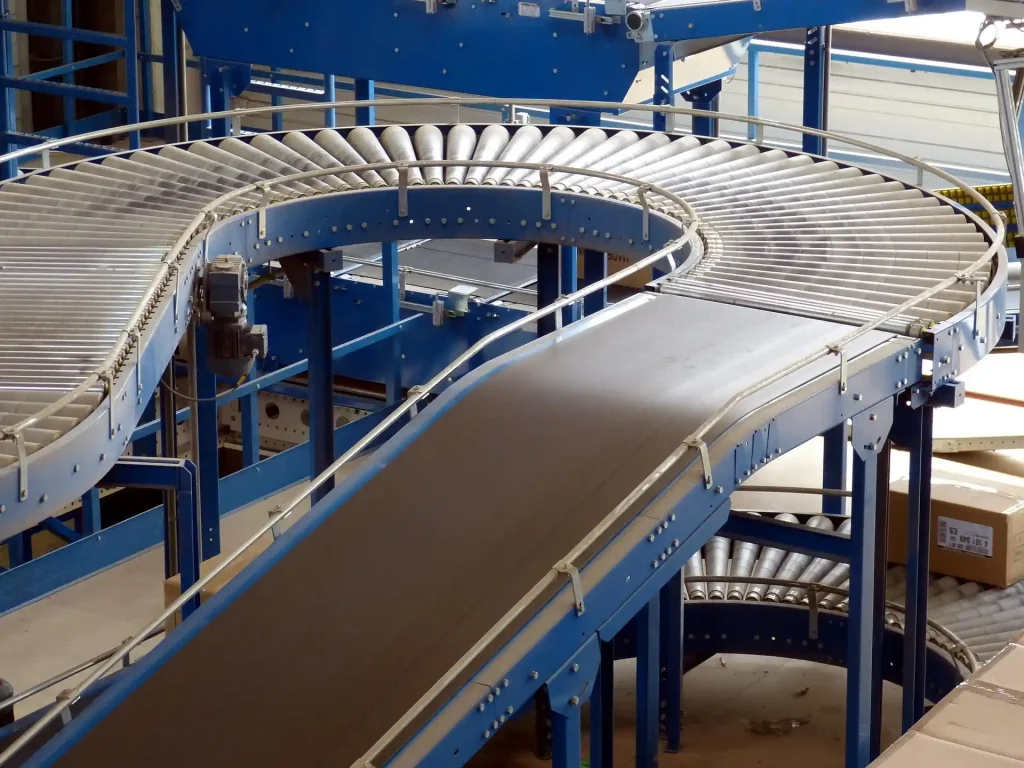
Clear Height in a Steel Warehouse: Where to Measure It

Two steel warehouse buildings with the same eave height can have different usable storage heights. The haunch deepens the rafter near the column. Farther into a bay, lighting, ducts or sprinkler pipework may set the lowest obstruction. A rack layout that fits in plan can fail in section. Is there a standard warehouse clear height?

Clear Height in a Steel Warehouse: Where to Measure It Read More »

industrial custom steelspan lab

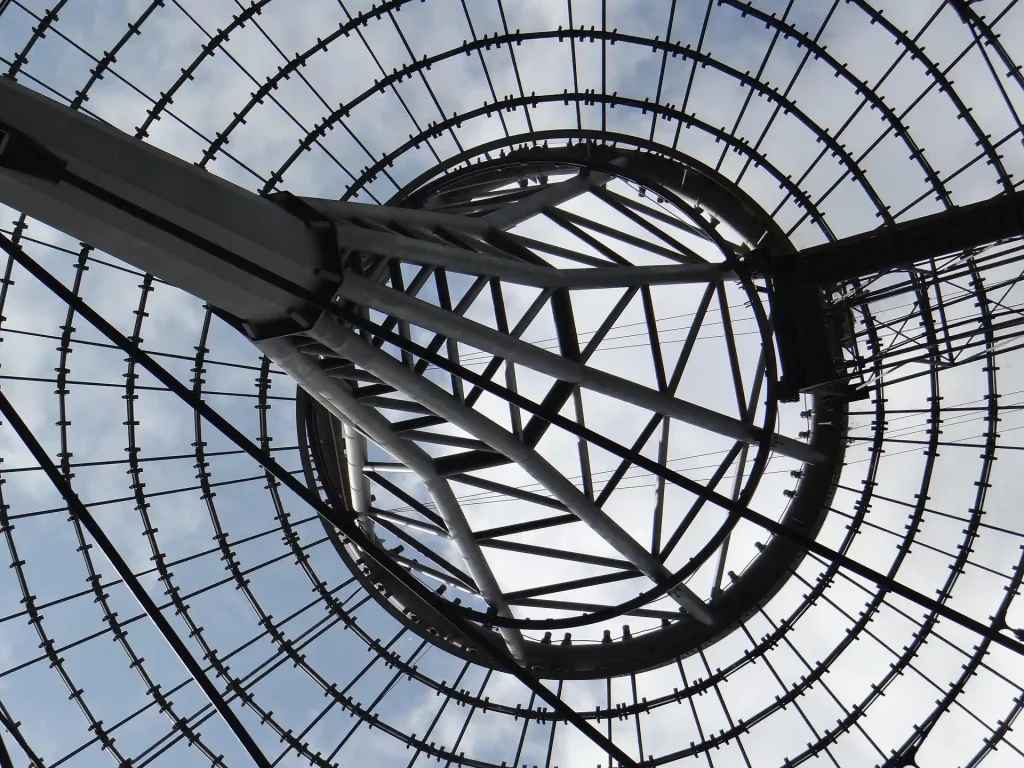
Corrosion Protection for Structural Steel: How to Define a Project Coating Brief

“Paint the steel” is not a coating specification. A useful corrosion-protection brief connects the exposure environment, required durability, surface preparation, coating system, fabrication sequence, transport damage and maintenance plan. Begin with the environment Steel inside a dry enclosed building faces different exposure from steel near the coast, in a humid process area or outdoors with

Corrosion Protection for Structural Steel: How to Define a Project Coating Brief Read More »

steelspanlab steel connectors

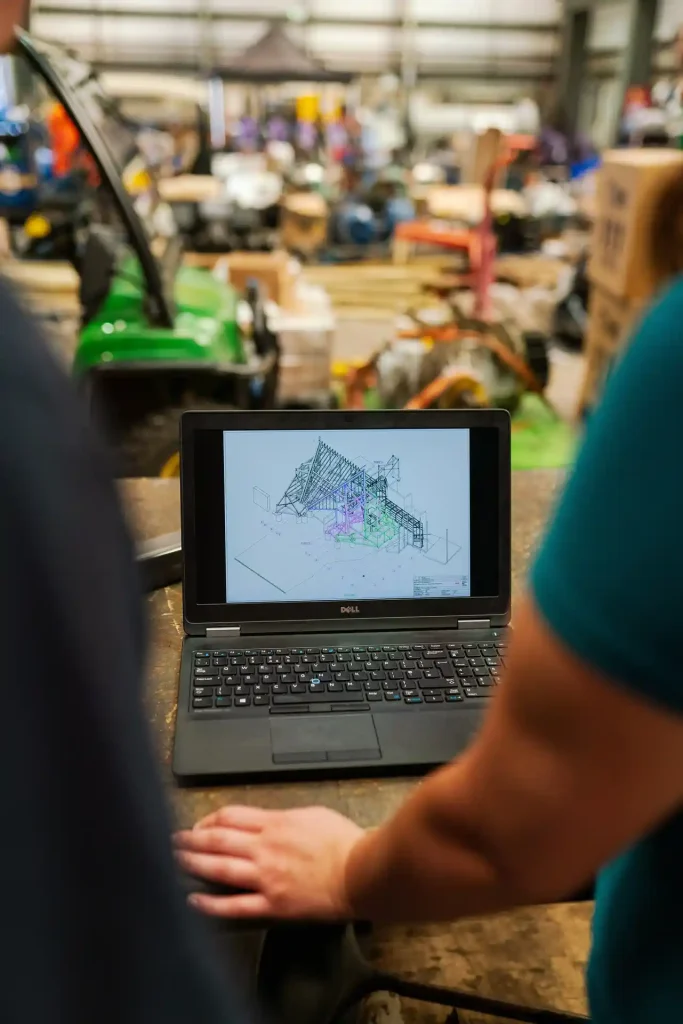
Bolted vs Welded Steel Connections: What Project Teams Need to Coordinate

Bolted and welded connections are not competing labels for an entire building. Most steel projects use a coordinated combination of shop welding, site bolting and project-specific details. The right strategy depends on structural behaviour, fabrication access, transport, erection, inspection and the applicable standards. Why shop and site conditions matter A fabrication shop offers controlled positioning,

Bolted vs Welded Steel Connections: What Project Teams Need to Coordinate Read More »

engineering team steelspan lab

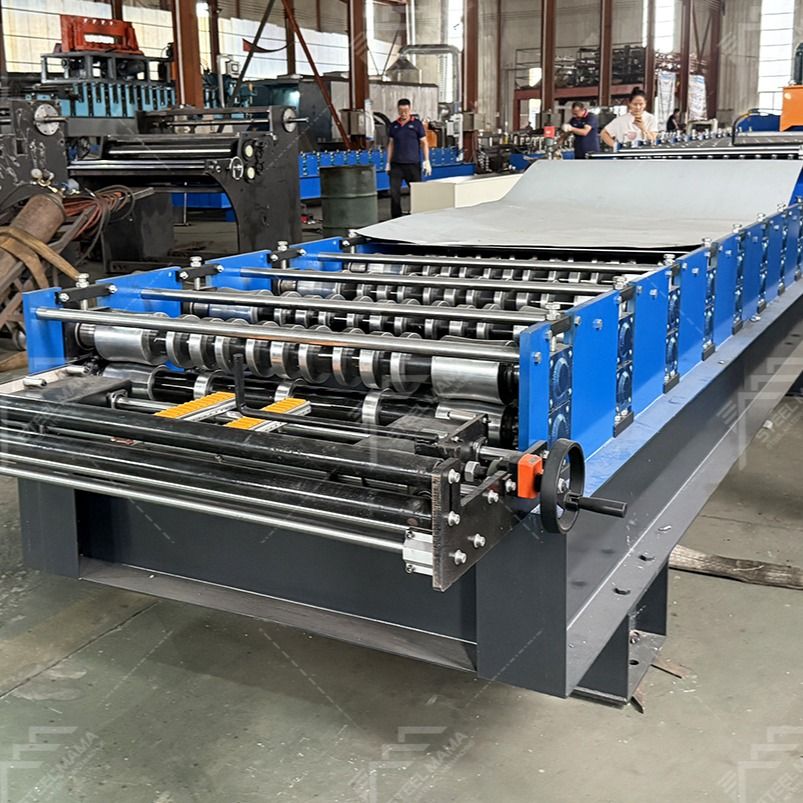
Understanding Load Paths in Steel Buildings: A Practical Guide for Project Teams

A steel building is not a collection of independent beams and columns. It is a connected system that must transfer every relevant action to the ground through a continuous, understandable load path. When the path is unclear, project teams can miss interfaces between the roof, walls, bracing, frames, connections and foundations. This article explains the

Understanding Load Paths in Steel Buildings: A Practical Guide for Project Teams Read More »